


We build models that learn from your data, which helps our scientists spot trends earlier, recognize wildlife faster and turn large datasets into clear answers.
Models are built for you from your data.
Biologists label the training data and review what the models find.
In the cloud, on our own servers, or on a small device out in the field.
We can host models on our own hardware so sensitive data never leaves.
Our models combine historical water sampling with weather, air quality and water level data to forecast key effluent measures such as pH, ammonia and suspended solids. Site teams get an early warning and time to adjust, instead of finding out from a lab result days later.
In use for a client siteIllustrative example. Values are not from a real site.
Field recorders capture thousands of hours of audio, leading to time-consuming manual review. Our models sort through the noise to pick out the species we're looking for. We have successfully deployed a model on our biota device to recognize a species at risk and will be working on expanding to more species at risk.

Trail cameras collect thousands of photos, and most of them are empty. Our tools filter out the blanks, flag people and vehicles, and suggest the species in each shot so biologists only review the images that matter.
Pilot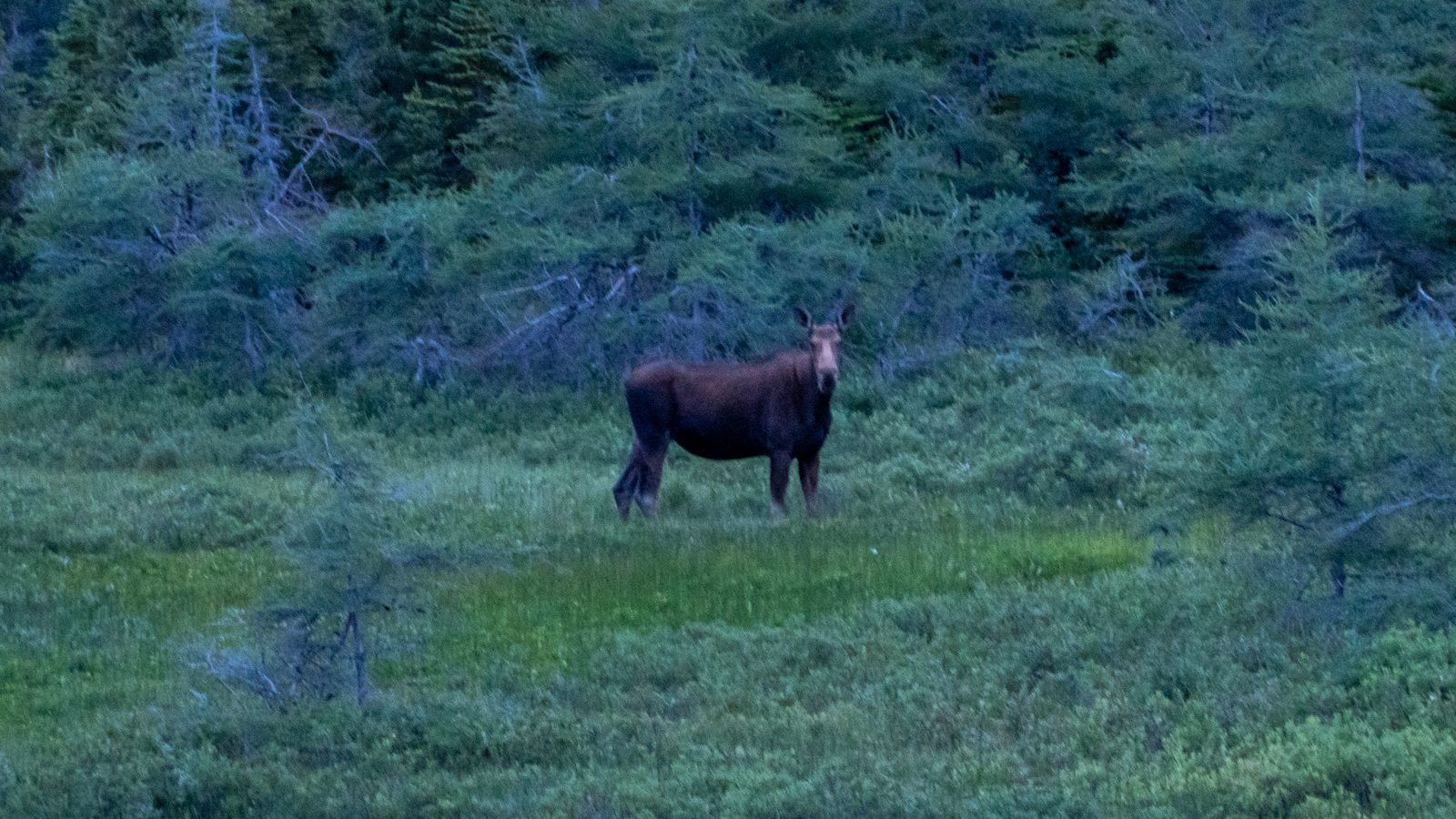
Good models start with good data. SEM's experts validate models before deployment.
Field crews and devices gather audio, imagery, scans and samples.
Our biologists and technicians mark up examples so the model learns.
We train, then check results against real field conditions before anything is used.
Models run in GeMS, on our servers or on our biota devices, and get better with every season.
Not every dataset should go to a frontier AI model provider. We have a mix of deployment and inference options, including on our own hardware in Newfoundland, so confidential project data stays on-premises while teams use AI to work faster.
Some of our models are small enough to run on a device in the field. That means answers on site, in near-real-time.
